Capacitor 앱 가이드
What is a Capacitor app?
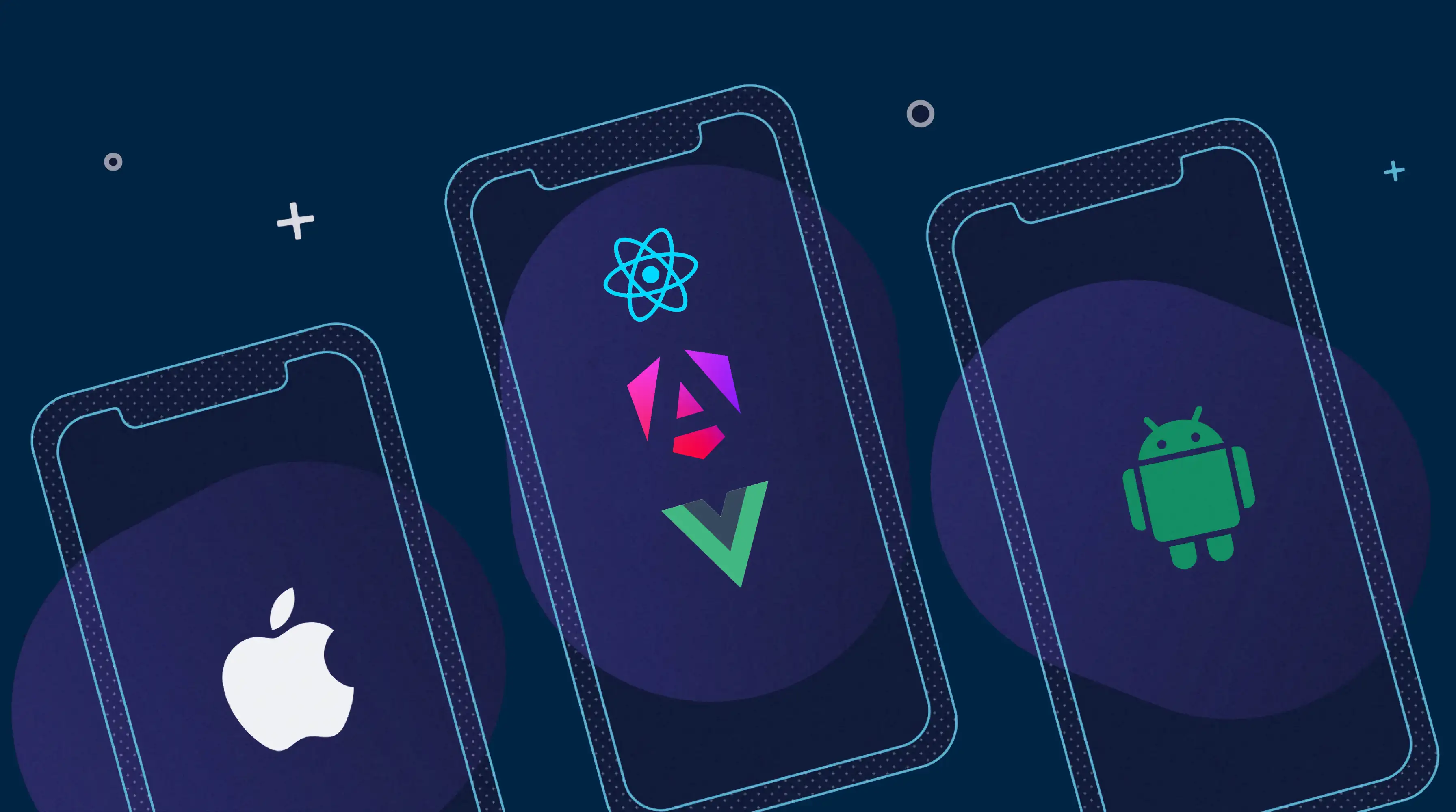
A Capacitor app is a web app shipped inside real native iOS and Android projects. Your interface is HTML, CSS, and JavaScript running in a WebView, while Capacitor plugins bridge that web code to native device APIs like camera, storage, push notifications, biometrics, files, and location. Capgo turns that architecture into a release advantage with live updates, maintained plugins, and native cloud builds.
인간 지원


작동 방식
Capacitor is not a UI framework. It is the native runtime under the app. Ionic, React, Vue, Angular, Svelte, Tailwind, or your own design system can render the UI inside the WebView.
웹 앱
정적 자산을 생성하기 위해 일반 웹 도구로 제품을 빌드합니다. Capgo는 승인 후에 이러한 자산을 업데이트할 수 있습니다.
정상적인 웹 도구를 사용하여 제품을 빌드하고 정적 자산을 출력합니다. __CAPGO_KEEP_0__은 승인 후에 그 자산을 업데이트할 수 있습니다.
Capacitor은 iOS 및 Android 프로젝트 내에 해당 자산을 넣습니다. Capgo 빌드는 해당 바이너리가 다시 빌드되어야 할 때 도움이 됩니다.
__CAPGO_KEEP_0__은 iOS 및 Android 프로젝트에 그 자산을 넣습니다. __CAPGO_KEEP_1__ 빌드는 그 바이너리가 다시 빌드될 때 도움이 됩니다.
자바스크립트는 플러그인을 호출하고, 플러그인은 스위프트, 코틀린, 자바, 오브젝트-C, 또는 웹 fallbacks를 호출합니다. Capgo는 일반적인 네이티브 필요성을 위한 플러그인을 유지합니다.
__CAPGO_KEEP_0__은 자바스크립트가 플러그인을 호출하고 플러그인이 스위프트, 코틀린, 자바, 오브젝티브-C, 또는 웹 fallback을 호출할 수 있도록 유지합니다.
- 양성 부분들
- Capgo의 Capgo 업데이트로 인해 허용된 HTML, CSS 및 JavaScript 수정 사항은 네이티브 앱이 승인되면 스토어 리뷰 큐를 우회할 수 있습니다.
- 팀은 React, Vue, Angular, Svelte 또는 평범한 웹 도구를 유지하기보다는 Swift 및 Kotlin으로 다시 작성하는 대신 유지합니다.
- 네이티브 접근은 플러그인으로 제공되며, 사용자 지정 Swift, Kotlin, Java 또는 Objective-C code도 추가할 수 있습니다.
- 기존의 현대적인 웹 앱은 UI 프레임워크를 변경하지 않고도 Capacitor를 채택할 수 있습니다.
- Capacitor는 네이티브 iOS 및 Android 프로젝트를 리포지토리에 유지하여 플랫폼 디버깅 및 SDK 작업이 더 명확해집니다.
- 대부분의 Cordova 플러그인은 여전히 작동하므로, 이전의 Ionic 및 Cordova 팀이 점진적으로 마이그레이션하는 데 도움이 됩니다.
- Capgo는 Capacitor 런타임 위에 유지 관리되는 Capacitor 플러그인, 라이브 업데이트 채널, 롤백 및 클라우드 빌드를 추가합니다.
부정적인 부분
- UI는 WebView에서 실행되므로, 나쁜 웹 성능은 나쁜 모바일 성능이 됩니다.
- JavaScript-to-native 브리지를 통해 큰 또는 빈번한 데이터 전송이 오버헤드를 추가합니다.
- 팀은 스토어 리뷰, 권한, Gradle, Xcode 및 SDK 업그레이드와 같은 네이티브 앱에 대한 일부 지식이 여전히 필요합니다.
- 네이티브 프로젝트는 소스 파일이므로, 주요 업그레이드가 주의 깊게 수동으로 변경할 필요가 있습니다.
- 플러그인 생태계는 넓지만, 모든 커뮤니티 플러그인이 같은 유지 보수 품질을 보장하지는 않습니다. 따라서 유지 보수된 Capgo 플러그인은 프로덕션 앱에 중요합니다.
- __CAPGO_KEEP_0__는 완전한 네이티브 UI, 고급 게임, AR-중심 앱, 또는 앱에 지속적인 저주파 네이티브 데이터 흐름이 있는 경우에 가장 적합하지 않습니다.
최적의 선택, 최악의 선택
Capacitor가 가장 잘 맞는 경우는
- SaaS, 금융, 의료, 교육, 마켓플레이스, 및 내부 도구에 강력한 웹 제품이 필요한 경우
- 기존 웹 앱이 앱 스토어 배포를 위해 전체 네이티브 리ライト가 필요하지 않은 경우
- 웹, iOS, Android를 모두 동일한 프론트엔드 팀이 관리하고 싶은 팀
- 카메라, 푸시, 인증, 파일, 생체 인식, 결제, 위치, 및 깊은 링크와 같은 일반 네이티브 요구를 가진 앱
- 스토어 승인 후에 라이브 웹 번들 업데이트를 받는 제품
- 반복적인 iOS 및 Android 빌드, 서명, 및 릴리즈 아티팩트를 처리하고 네이티브 CI 세부 사항을 유지 관리하지 않고 Capgo 빌드를 사용하는 팀
다른 스택을 선택할 때
- 고급 3D 게임, 비디오 편집기, AR-첫 번째 제품, 또는 네이티브 실시간 렌더링에 의존하는 앱
- Swift, Kotlin, Java, 또는 Dart로만 작성하고 싶은 팀들.
- 기본 플랫폼-자연어 컨트롤로만 구성된 모든 화면이 있어야 하는 제품들.
- 유지 관리되지 않는 플러그인이 없고 팀이 유지 관리할 수 있는 플러그인이 없을 때, 특정 네이티브 SDK에 의존하는 앱들.
- 네이티브-code, 권한, 특권, 또는 스토어 정책 변경이 앱 리뷰를 피할 수 있다고 기대하는 팀들. Capgo은 웹 번들, 네이티브 바이너리 변경이 아닌 웹 번들 변경을 위한 라이브 업데이트입니다.
Capgo의 중요성
네이티브- 전용 앱은 새로운 바이너리, 서명, 배포, 앱 리뷰를 기다려야 합니다. Capacitor은 네이티브 앱 내부에 웹 번들을 제공합니다. Capgo은 네이티브-code 변경을 유지하면서 빠른 릴리스 경로로 변환합니다.
리뷰 큐를 피하는 라이브 업데이트
Capgo은 네이티브 앱이 승인된 후 웹 번들 변경을 사용자에게 직접 전송하여, 복사 수정, UI 수정, 자바스크립트 패치, 원격 구성과 같은 변경 사항이 앱 스토어 또는 플레이 스토어 리뷰를 기다리지 않습니다.
롤백, 채널, 제어된 롤아웃
Capgo은 팀이 베타 사용자, 퍼센트, 채널, 또는 특정 버전으로 릴리스하고, 웹 업데이트 문제가 발생하면 빠르게 롤백할 수 있도록 합니다.
유지 관리되는 Capacitor 플러그인
Capgo은 프로덕션 Capacitor 앱을 위한 대형 플러그인 카탈로그를 유지 관리하여, 인증, 저장소, 구매, 미디어, 장치 API, 기업 마이그레이션과 같은 일반적인 네이티브 필요성을 충족합니다.
Capgo Native 빌드
code가 실제로 변경되었을 때, Capgo 빌드는 iOS 및 Android 빌드를 생성하고, 서명 관리, 로그 추적, 그리고 동일한 Capacitor 프로젝트에서 스토어에 준비된 아티팩트를 배포하는 데 도움을 줍니다.
인간 지원을 받으세요. 마틴
역사와 계보
Capacitor는 Ionic 팀에서 왔습니다. Ionic Framework의 동일한 회사입니다. Cordova와 PhoneGap에서 WebView와 네이티브 플러그인 패턴을继承하지만, npm 패키지, TypeScript, Swift, Kotlin, 네이티브 프로젝트, 그리고 PWA 지원과 같은 개발자 경험을 현대화합니다.
Cordova와 PhoneGap
Capacitor는 하이브리드 앱의 아이디어를继承합니다: 네이티브 셸, WebView, 그리고 JavaScript에서 네이티브 API로의 브릿지
2017년 말
Ionic 팀은 Ionic이 모바일 UI만으로 확장되지 않도록 현대적인 대안을 탐색하기 시작했습니다.
2019
Capacitor는 iOS, Android, 데스크톱, 그리고 PWAs용 웹 네이티브 런타임으로 Ionic이 이동하는 동안 처음으로 출시되었습니다.
2022
아이온(Ionic)이 아웃시스템스(OutSystems)와 합병했습니다. 아이온은 나중에 Capacitor이 아웃시스템스 모바일 작업과 오픈 소스 지원의 중심에 남아 있다고 말했습니다.
2023-2026
Capacitor은 아이온 팀이 유지 관리하고 있으며, 생태계 내의 커뮤니티 컨트리뷰터들이 함께합니다. 프로젝트는 건강하지만 완벽하지 않습니다. 아이온은 2026년 2월에 백로그 부채를 공개적으로 인정하고 오래된 이슈와 풀 요청을 청소하기 시작했습니다.
유지 관리 및 건강
Capacitor의 스냅샷은 2026년 5월 6일 확인되었습니다. 카운트는 시간과 함께 움직입니다.
__CAPGO_KEEP_0__의 최신 안정 버전
__CAPGO_KEEP_0__은 2026년 4월 16일 배포되었습니다.
8.3.1
__CAPGO_KEEP_0__의 스타
GitHub 별점
15.6k
아이온 팀/capacitor
포크
1.2k
공개 GitHub 저장소
월간 다운로드
9,600,000
capacitor/core, 2026년 4월 6일 ~ 5월 5일
실용적인 읽기
Capacitor을 웹-첫 번째 제품으로 웹이 우선이며 모바일이 중요할 때 강력한 기본값으로 다루세요. 릴리스 속도가 중요할 때 Capgo을 사용하세요: 웹 수정을 위한 실시간 업데이트, 롤백을 위한 나쁜 릴리스, 채널을 위한 단계별 출시, 유지 관리되는 플러그인을 위한 네이티브 기능, Capgo 빌드를 사용하여 실제 네이티브 바이너리 생성이 필요할 때. 네이티브 전용 앱은 실시간 업데이트 경로를 얻지 못합니다; 모든 수정은 새로운 빌드와 스토어 리뷰를 기다려야 합니다.