Wenn Teams sagen, sie brauchen eine App, entscheiden sie dann wirklich zwischen Web und Native – oder wählen sie, mit welcher Art von Wartungsaufwand sie die nächsten Jahre leben?
Diese Lücke wird ständig übersehen. Viele App-Diskussionen drehen sich nur um Launch-Features, UI-Feinschliff oder Store-Präsenz. Weniger Teams stellen die schwierigere Frage: Welches Delivery-Modell gibt uns Reichweite, Resilienz und einen Update-Pfad, den wir auch nach dem ersten Release noch ertragen können?
Genau hier wird der Begriff PWA: Ein neuer Standard nützlich. Oberflächlich betrachtet ist er ein verwirrendes Keyword, aber er steht für eine starke Idee. Entwickle digitale Produkte so, wie man dauerhafte öffentliche Infrastruktur baut: mit Fokus auf Zuverlässigkeit, breitem Zugang und langfristiger Instandhaltung.
Inhaltsverzeichnis
- Die „New Deal“ PWA entschlüsselt
- Der Kern einer modernen PWA
- Build-Strategie wählen: PWA vs. Native vs. Capacitor
- Essentials der PWA-Implementierung
- Moderner Ansatz für App-Updates
- PWA Best Practices für Langlebigkeit
- Fazit: Der Impact eines besseren Builds
Die New Deal PWA entschlüsselt
Warum der Begriff verwirrend ist
Wenn du nach ... suchst PWA: Ein neuer Standard, kann zwei sehr unterschiedliche Dinge bedeuten. Historisch gesehen die Public Works Administration ins Leben gerufen im Juni 1933 unter Title II des National Industrial Recovery Act, mit der Befugnis, 3,3 Milliarden $ im ersten Jahr auszugeben, in dem es um 165 % der Bundeseinnahmen im Jahr 1933 und 5,9 % des BIP entsprach, und sie beaufsichtigte letztlich etwa 34.000 Projekte in den gesamten USA, wie in diesem hier zusammengefasst wird historischer Überblick über die Public Works Administration.
Das ist wichtig, weil es bei der ursprünglichen PWA nicht um schnelle Hacks ging. Es ging um dauerhafte Infrastruktur. Brücken, Dämme, Schulen, Krankenhäuser, Wohnraum. Assets, die darauf ausgelegt waren, die Krise, die sie hervorbrachte, zu überdauern.
Moderne Entwickler hören natürlich PWA und denken Progressive Web App. Andere Ära, anderer Stack, aber derselbe Kernkonflikt: Baut man etwas Schnelles und Wegwerfbares oder etwas Stabiles, das Menschen jeden Tag zuverlässig unterstützt?
Praktische Regel: Wenn deine App regelmäßig, bei instabiler Verbindung und auf verschiedenen Geräten genutzt werden soll, lieferst du nicht nur Features aus. Du baust Infrastruktur.
Das ist die entscheidende Interpretation. Eine „New Deal PWA“ ist kein historischer Softwarebegriff. Es ist eine Design-Einstellung. Baue Web-Apps mit derselben Ernsthaftigkeit, mit der du Systeme entwickelst, die auch nach dem Launch-Tag reibungslos weiterlaufen müssen.
Was die Metapher richtig macht
Die Metapher funktioniert, weil viele Teams Web-Apps immer noch als temporäre Wrapper um Business-Logik betrachten. Das ist ein Fehler. Bei vielen Produkten ist die Web-App das Produkt selbst oder zumindest das operative Rückgrat hinter der Mobile Experience.
Eine moderne PWA kann installierbar, offline-fähig, responsiv und einfacher zu deployen sein als native Apps. Doch die wirklich guten PWAs entstehen nicht zufällig. Teams müssen Cache-Verhalten, Install-Prompts, Fallback-Screens, Navigationszuverlässigkeit und Deployment-Disziplin definieren. Deshalb sehe ich das Problem als einen besseren „Deal“ für Entwickler und Nutzer.
Wenn dein Team bereits über mobile Auslieferung, App-Review-Zyklen und Web-to-App-Reuse nachdenkt, ist dieser umfassende Leitfaden zum Ionic App Deployment ein hilfreicher Begleiter, da er die Deployment-Frage frühzeitig stellt – nicht erst, wenn die Architektur bereits feststeht.
Die klassischen PWAs bauten öffentliche Assets auf, die dauerhaft nutzbar blieben. Die moderne Version sollte dasselbe anstreben. Nicht aus Beton und Stahl, sondern durch Service Worker, Manifests, Release-Pipelines und eine Codebase, die sechs Monate nach dem Launch nicht zur Last wird.
Der Kern einer modernen PWA

Das Manifest ist der Installationsvertrag
Ein Progressive Web App wird mehr als nur eine Website, sobald die Plattform sie wie eine installierbare App behandeln kann. Das Web App Manifest macht das überhaupt erst möglich. Stell es dir wie den Ausweis der App plus die Startanweisungen vor.
Das Manifest sagt dem Browser, wie die App nach der Installation aussehen soll. Es definiert den App-Namen, das Icon-Set, die Theme-Farbe, den Display-Modus und die Start-URL. Diese Details wirken erst nur kosmetisch, bis sie es nicht mehr sind. Schlechte Icons, falsche Start-Routen oder ein falscher Display-Modus lassen eine installierbare App sofort unfertig wirken.
Ein gut konfiguriertes Manifest sollte einfache Produktfragen klar beantworten:
- Was zuerst öffnet: Die Start-Route sollte die Nutzer an einem stabilen Ort landen lassen, nicht auf einer flüchtigen Marketing-Seite.
- Wie sie erscheint: Ein Standalone-Launch fühlt sich bei App-ähnlichen Abläufen meist besser an als ein sichtbarer Browser-Rahmen.
- Welche Identität sie trägt: Name, Icon und Theme sollten dem mentalen Modell des Nutzers vom Produkt entsprechen.
Der Service Worker ist die Runtime-Schicht
Die zweite Säule ist der Service Worker, eine Komponente, die Teams entweder eine zuverlässige Experience oder einen Debugging-Albtraum beschert. Der Service Worker sitzt zwischen der App und dem Netzwerk, fängt Requests ab und entscheidet, was bei guter, schlechter oder fehlender Verbindung passiert.
Deshalb beschreibe ich ihn als intelligenten Offline-Assistenten. Er übernimmt das Caching, kann Background Tasks unterstützen und ermöglicht Patterns wie Offline-Fallbacks und Push-Workflows. Er ist mächtig, aber auch unnachgiebig, wenn man das Falsche cached oder Assets nicht korrekt versioniert.
Ein Service Worker ist teils Netzwerkstrategie, teils Release-Strategie. Ihn einfach als Copy-Paste-Snippet zu behandeln, führt meist zu Bugs durch veraltete Inhalte.
In der Praxis ermöglicht der Service Worker genau die Verhaltensweisen, die man mit einer polierten PWA verbindet:
- Offline-Fähigkeit für bereits geladene Assets und gewählte Inhalte
- Schnellere Repeat Visits wenn statische Ressourcen aus dem Cache kommen
- App-ähnliche Resilienz wenn die Verbindung mitten in der Session abbricht
- Selektives Background-Verhalten sofern die Plattform-Unterstützung dies zulässt
Das Manifest ermöglicht die Installation. Der Service Worker sorgt dafür, dass sich die App nach der Installation zuverlässig anfühlt. Das eine liefert das Shell, das andere das operative Verhalten. Ohne beides hast du keine echte PWA, sondern nur eine Website mit Ambitionen.
Wähle deine Build-Strategie: PWA vs. Native vs. Capacitor
Die schwierigste Entscheidung bei Mobile ist meist nicht technischer, sondern strategischer Natur. Teams fragen selten abstrakt nach „nativem Zugriff“. Sie fragen nach Barcode-Scanning, Kamera-Workflows, Push-Notifications, Background-Verhalten, sicherer Auth, flüssigerer Navigation oder schnellerem Shipping. Diese Anforderungen lassen sich unterschiedlich auf PWA, native, und Capacitor.
anwenden. Ein historischer Vergleich ist hier hilfreich. Unter Harold L. Ickes finanzierte die ursprüngliche PWA über 70 % der neuen Bildungsbauten und 65 % der neuen Gerichtsgebäude des Landes, was zeigt, wie eine zentralisierte Initiative sehr unterschiedliche Infrastrukturtypen unterstützen kann, wie in dieser Cambridge-Diskussion über New Deal öffentliche Arbeiten und Luftfahrtinfrastruktur. App architecture works the same way. One codebase strategy doesn’t mean one uniform outcome.

Wo jede Option punktet
Ein PWA ist die richtige Wahl, wenn Reichweite entscheidend ist. Sie wird im Web ausgeliefert, lässt sich auf unterstützten Plattformen direkt aus dem Browser installieren und nutzt einen einzigen Deployment-Pfad. Ideal, um Product-Market-Fit zu validieren, interne Tools zu unterstützen oder große Zielgruppen ohne App-Store-Hürden zu erreichen.
Ein Native Apps sind nach wie vor am besten, wenn das Produkt von tiefer Plattform-Integration oder maximaler Performance lebt. Wenn deine App auf plattformspezifischen UI-Konventionen, intensivem Background-Processing, komplexen Media-Pipelines oder tiefen Hardware-APIs basiert, bringt dich Native dem Betriebssystem am nächsten.
Capacitor liegen in der Mitte. Sie ermöglichen es Teams, mit Web-Technologien zu entwickeln, während sie in native Shells verpackt werden und auf native Plugins zugreifen können. Für viele Produktteams ist das der pragmatische Kompromiss: Web-Reuse, ohne auf Store-Distribution und Device-Capabilities zu verzichten.
Ein detaillierterer Vergleich von nativen vs. Web-Applikationen ist hilfreich, wenn diese Entscheidung im Team politisch wird, da sie den Fokus von Ideologie auf technische Constraints lenkt.
Eine schnelle Visualisierung hilft dabei, die Trade-offs festzulegen, bevor man in eine detaillierte Matrix einsteigt.
Vergleich der App-Entwicklungsansätze
| Kriterium | PWA (Progressive Web App) | Native (iOS/Android) | Capacitor (Hybrid-App) |
|---|---|---|---|
| Reichweite | Ideal für direkten Browser-Zugriff und einfaches Teilen | Beschränkt auf installierte Plattform-Apps | Gute Balance, besonders wenn Web und App dieselbe Logik nutzen |
| Performance | Stark für Business-Apps, Content-Apps und Dashboards | Ideal für anspruchsvolle, plattformspezifische Erlebnisse | Meistens reicht es für die meisten Produktteams aus, sofern die Web-Layer diszipliniert ist |
| Geräte-API-Zugriff | Verbesserungswürdig, aber plattformabhängig ungleichmäßig | Voller Plattform-Zugriff | Starker Zugriff via native Plugins und Bridges |
| Entwicklungsgeschwindigkeit | Schnellster Weg, wenn eine Web-Codebase genügt | Langsamster Weg bei getrennten Plattform-Teams | Schneller als native Apps, langsamer als reines Web |
| Distribution | Web-Deployment und Install-Prompts | App Store und Play Review-Workflow | App Store & Play Distribution via Web-Tech |
| Langfristige Wartung | Einfach, sofern die App Web-basiert bleibt | Höchster Wartungsaufwand über alle Plattformen | Moderat, inkl. Native Wrapper & Plugin-Pflege |
Wo Teams die falsche Entscheidung treffen
Der häufigste Fehler ist zu frühes Overengineering. Teams wählen Native, weil sie glauben, es später zu brauchen, und verbringen dann Monate damit, Flows nachzubauen, die im Web perfekt funktioniert hätten. Der umgekehrte Fehler passiert auch: Teams erzwingen eine PWA für Use Cases, die eindeutig tieferen Native-Support benötigen.
Hier ist mein Filter:
- PWA wählen wenn das Produkt formlastig, contentlastig, auf Commerce fokussiert oder auf Desktop und Mobile nutzbar ist.
- Wähle Native wenn das Plattformverhalten der entscheidende Faktor ist.
- Wähle Capacitor wenn du ein web-zentriertes Produktteam, App-Store-Präsenz und gezielte native Funktionen willst, ohne ein komplettes Native Rewrite durchzuführen.
Die richtige Wahl ist nicht der mächtigste Stack, sondern der, dessen Trade-offs zu deinem Produkt passen.
PWA-Implementierung: Essentials

Der Unterschied zwischen einer Demo-PWA und einer Production-PWA liegt meist in Architektur-Entscheidungen, die Nutzer nicht direkt sehen. Cache-Policies, Offline-UX und Sync-Verhalten entscheiden, ob sich die App stabil oder instabil anfühlt.
Wenn dein Team plant, denselben Code später für App Stores zu nutzen, lohnt sich ein Blick auf diesen Guide, Verwandle eine PWA mit Capacitor in eine Native App in eine native App verwandelt. Er führt dich zu Standards, die eine spätere Plattform-Expansion deutlich erleichtern.
Caching pro Ressourcentyp wählen
Der größte Implementierungsfehler ist es, überall dieselbe Caching-Strategie zu nutzen. Das führt zu veralteten Daten, fehlerhaftem Release-Verhalten oder beidem. Unterschiedliche Ressourcen benötigen unterschiedliche Regeln.
Nutze einen Static-Asset-Ansatz für gehashte JavaScript-, CSS-, Font- und Icon-Dateien. Diese sind vorhersehbar und versioniert. Entscheide bei API Antworten, ob Aktualität oder Resilienz wichtiger ist. Produktkataloge, Dashboards und User-Inboxes vertragen veraltete Daten nicht alle gleich gut.
Ein praktisches Pattern sieht so aus:
- App-Shell-Assets: Aggressiv cachen, wenn Dateinamen versioniert sind.
- HTML-Dokumente: Bevorzuge frische Abrufe, damit Deployments Nutzer nicht auf alten Entry Points festhalten.
- Benutzerspezifische API Daten: Nutze Network-first oder Stale-while-revalidate, je nach Toleranz für Verzögerungen.
- Mediendateien: Selektiv cachen, nicht standardmäßig, es sei sich, dass wiederholter Zugriff zentral für das Produkt ist.
Praxistipp: Wenn du nicht erklären kannst, warum eine Ressource gecacht wird, dann cache sie noch nicht.
Entwirf den Offline-Zustand mit Absicht
Offline-Support ist kein binäres Feature, sondern ein UX-Versprechen. Nutzer brauchen nicht jeden Screen offline, aber die App muss sich vorhersehbar verhalten.
Die besten PWAs machen diese Unterschiede explizit. Sie erlauben den Zugriff auf besuchte Views, zeigen Cache-Inhalte an und machen klar, wann eine Verbindung nötig ist. Sie täuschen keinen Erfolg vor, wenn ein Schreibvorgang noch aussteht.
Das bedeutet, dein UI sollte mindestens drei Zustände sauber handhaben:
- Verbunden und aktuell, wenn Live-Daten verfügbar sind.
- Offline, aber nutzbar, wenn Cache-Inhalte oder lokale Entwürfe sichtbar sind.
- Aktion verzögert, wenn der Nutzer etwas gestartet hat, das erst später abgeschlossen wird.
Nutze klare Labels, Badges und Statusmeldungen. „Lokal gespeichert“ ist besser als ein vager Spinner, der nie aufhört zu drehen.
Background Sync braucht Zurückhaltung
Background Sync ist attraktiv, weil er eine reibungslose Wiederherstellung nach Verbindungsabbrüchen verspricht. In der Praxis sollte er jedoch sparsam eingesetzt werden. Das Queuing von Schreibvorgängen, das Wiederholen von Submissions oder das spätere Synchronisieren lokaler Änderungen kann gut funktionieren – aber nur, wenn Konflikte und doppelte Aktionen von Anfang an mitgedacht werden.
Für Formulare und Workflows ist lokale Persistenz kombiniert mit einer expliziten Retry-Queue oft einfacher zu handhaben als magisches Hintergrundverhalten. Entwickler können es debuggen. Support-Teams können es erklären. Nutzer sehen genau, was noch aussteht.
Eine hochwertige PWA versucht nicht, jede Plattform-Funktion nachzuahmen. Sie nutzt die Features, die sie konsistent unterstützen kann, damit der Nutzer nie an seinem Datenstatus zweifelt.
Ein moderner Ansatz für App-Updates
Die App auszuliefern ist das eine Problem. Fixes auszuliefern ist das eigentliche.
Web-Teams sind es gewohnt, Frontend-Änderungen zu pushen und sie sofort live zu sehen. Mobile-Teams, die Store-Reviews durchlaufen, arbeiten in einem anderen Rhythmus. Diese Lücke wird schmerzhaft, wenn dasselbe Produkt sowohl im Web als auch in App-Shells existiert.
Web- und App-Teams deployen unterschiedlich
Eine reine PWA erhält einen großen Vorteil geschenkt: das Web-Deployment-Modell. Teams können JavaScript, CSS, Copy und Assets auf ihrer eigenen Infrastruktur patchen, ohne auf einen App-Marketplace zu warten. Das ist nicht nur praktisch – es verändert das Incident Response Management grundlegend.
Landet ein fehlerhaftes Checkout-Label, ein Routing-Bug oder eine Analytics-Regression in der Produktion, ermöglicht Web-Delivery meist eine sofortige Reaktion. Native Release-Zyklen tun das nicht. Hybrid-Teams spüren diesen Reibungspunkt oft am stärksten, da die App zwar Web code teilt, aber nach dem Packaging an die Einschränkungen der App-Stores gebunden ist.
Deshalb sollte der Update-Plan Teil der Architektur sein und nicht erst nachträglich als operativer Gedanke auftauchen.
Der schnellste Weg, Release-Stress zu reduzieren, besteht darin, vor dem Launch festzulegen, welche Änderungen eine Store-Einreichung erfordern und welche über den Web-Delivery-Pfad laufen sollen.
So sieht eine vernünftige Update-Pipeline aus
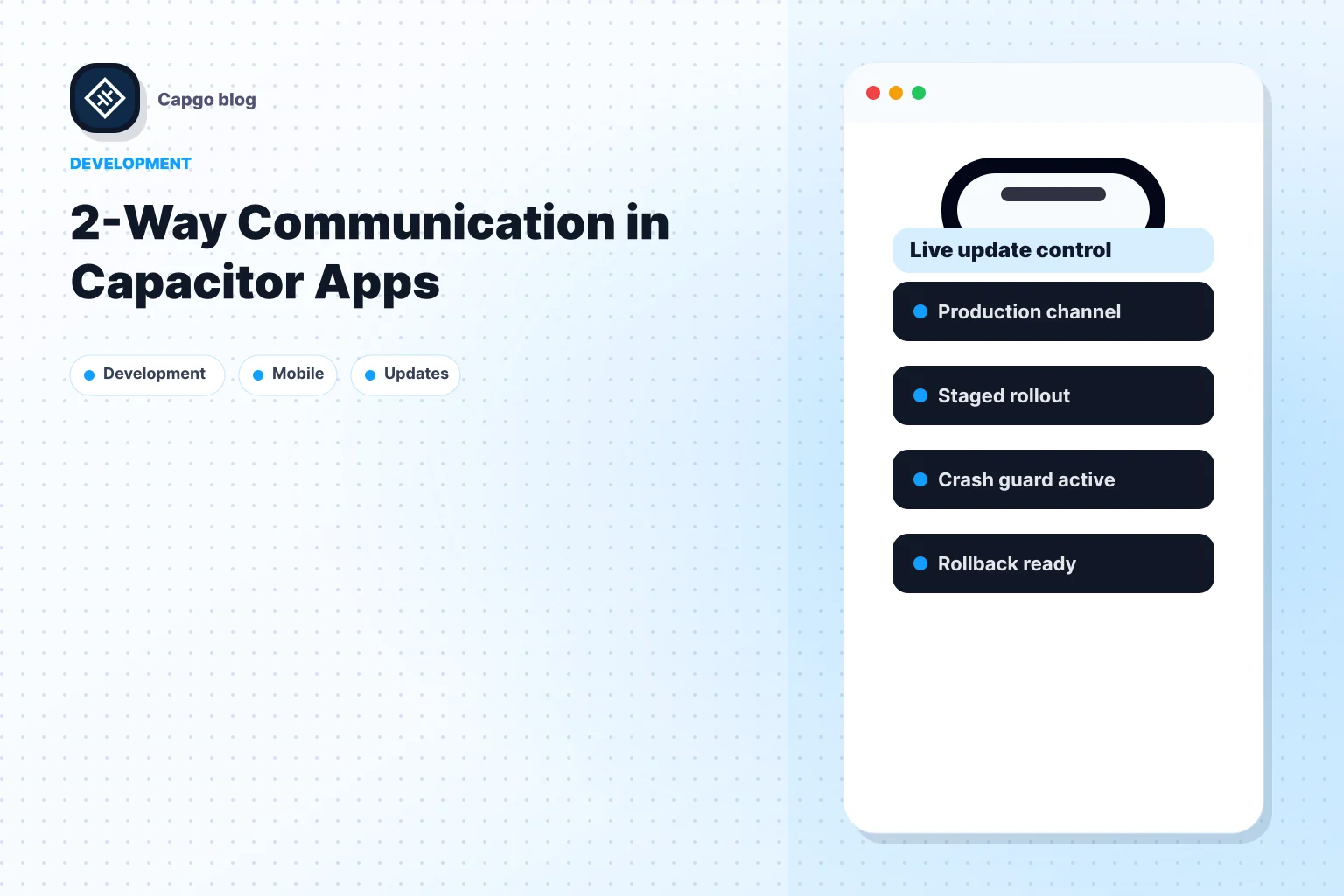
Ein modernes Update-Modell trennt Verantwortlichkeiten. Änderungen an der Native-Layer, Berechtigungen und Arbeiten auf Binärebene laufen über Store-Releases. Web-Layer-Änderungen sollten über eine schnellere Pipeline mit Versionierung, Observability, Staged Rollout und Rollback laufen.
Diese Disziplin ist wichtig, selbst wenn der erste Build „nur eine PWA“ ist. Teams entwickeln sich oft zu einer gemischten Umgebung: Browser-App für die Reichweite, verpackte App für die Distribution und ein gemeinsames Frontend für beides. Sobald das passiert, wird das Update-Konzept zum Teil der Produktzuverlässigkeit.
Das beste Setup umfasst meist:
- Klare Release-Grenzen damit Engineers wissen, ob eine Änderung zu den Web-Assets oder zum Native Shell gehört
- Gezielte Rollout-Pfade für Staging-, Beta- und Production-User
- Rollback-Bereitschaft wenn ein Frontend-Bundle eine Regression verursacht
- Diagnose auf Geräteebene damit der Support erklären kann, welche Version ein User nutzt
Dieser Guide zu Capacitor OTA-Updates ist relevant, wenn dein Team in einem Shared-Codebase-Modell arbeitet und definieren muss, was Instant Delivery abdecken sollte und was nicht.
Ein Screenshot hilft dabei, die operativen Abläufe greifbar zu machen.

Der Kernpunkt ist simpel: Eine bessere Build-Strategie erfordert eine bessere Maintenance-Strategie. Wenn du Updates nicht löst, hast du Delivery nicht gelöst.
Langlebigkeit aufbauen: PWA Best Practices
Die Lebensdauer einer PWA hängt weniger von der initialen Stack-Wahl ab als von der Qualitätsdisziplin nach dem Launch. Drei Bereiche unterscheiden robuste Apps von teuren: Performance, Sichtbarkeit in der Suche und Accessibility.
Ein guter Standard für Team-Prozesse ist es, diese als Release-Kriterien zu behandeln, nicht als Aufräumarbeiten. Diese breitere Auswahl an Best Practices in der Softwareentwicklung passt perfekt zu dieser Denkweise, da Qualitätsprüfungen in den Routine-Release-Prozess integriert werden, statt sie nur periodischen Audits zu überlassen.
Performance ist ein Produktfeature
Performance-Optimierung beginnt mit Zurückhaltung. Versende kein überdimensioniertes JavaScript-Bundle, nur weil das Framework es zulässt. Lade keine Assets vorab, die der User nicht angefordert hat. Hydrate keine großen UI-Bereiche, die bis zur Interaktion statisch bleiben könnten.
Für die meisten PWA-Teams sind die wichtigsten Gewohnheiten simpel:
- code nach Route und Feature splitten damit der erste Screen nur das lädt, was er wirklich braucht.
- Den Critical Path schlank halten indem render-blockierende Ressourcen reduziert werden.
- Bildformate und -größen gezielt einsetzen statt jedem Screen das größte Asset zu liefern.
- Auf echten Geräten messen weil Desktop-Entwicklungsumgebungen schlechte Entscheidungen kaschieren.
Schnelle Apps fühlen sich nicht nur besser an. Sie minimieren auch die Auswirkungen von instabilen Netzwerken und schwacher Hardware.
SEO und Barrierefreiheit sind Architektur-Entscheidungen
Suche und Barrierefreiheit werden oft als bloße Details am Ende betrachtet. Das sind sie nicht. Single-Page-Applications können crawlbar sein, aber nur, wenn Routing, Metadaten und Content-Rendering auf Indexierung ausgelegt sind. Wenn das Produkt auf Auffindbarkeit angewiesen ist, müssen Entscheidungen über Server-Rendering oder Pre-Rendering ganz zu Beginn des Projekts getroffen werden.
Bei der Barrierefreiheit ist es dasselbe. Tastaturnavigation, semantische Struktur, Focus-Handling, Farbkontraste und Screenreader-Labels lassen sich nicht einfach nachträglich hinzufügen, wenn die Component-Library erst einmal die gesamte App durchzieht.
Ich nutze eine kurze interne Checkliste für die Production Readiness:
| Bereich | Was zu prüfen ist |
|---|---|
| Performance | Initial Load ist schlank, Routes sind gesplittet, Repeat Visits profitieren von Caching |
| SEO | Wichtige Views bieten crawlbare Inhalte, Metadaten und stabile URLs |
| Barrierefreiheit | Formulare, Dialoge, Navigation und Fehler funktionieren mit Tastatur und Hilfstechnologien |
Gute PWAs lassen sich nicht nur gut installieren. Sie lassen sich gut lesen, navigieren und Fehler abfangen.
Das ist der Schlüssel zur Langlebigkeit. Baue etwas, das Menschen finden, nutzen und vertrauen können, ohne auf ideale Bedingungen angewiesen zu sein.
Fazit: Die langfristige Wirkung eines besseren Builds
Der nützlichste Ansatz für den PWA: Ein neuer Standard Gedanken zu verstehen, ist als Standard, nicht als Slogan. Wähle die Build-Strategie, die zum Produkt passt. Implementiere den Web-Layer mit klaren Caching-Regeln und ehrlichem Offline-Verhalten. Betrachte Updates als Teil der Architektur. Setze bei Performance, SEO und Barrierefreiheit dieselben Maßstäbe wie bei der Feature-Entwicklung.
So nutzen Teams den vollen Nutzen moderner Web-Delivery. Eine PWA bietet Reichweite und Speed. Native bietet engere Plattformkontrolle. Capacitor bietet einen praktischen Mittelweg. Keine dieser Entscheidungen spielt eine Rolle, wenn die App schwer zu updaten, zu debuggen oder zu vertrauen ist.
Die ursprüngliche Public Works Administration blieb in Erinnerung, weil sie Dinge baute, die für die Ewigkeit gedacht waren. Moderne App-Teams sollten dasselbe anstreben. Nicht Beständigkeit um ihrer selbst willen, sondern Software, die lange nach dem ersten Release nutzbar, wartbar und breit zugänglich bleibt.
Ein besserer Deal für Entwickler ist auch ein besserer Deal für Nutzer. Apps laden schneller, stürzen weniger abrupt ab und verbessern sich ohne unnötige Reibung.
Wenn dein Team Capacitor Apps ausliefert und einen schnelleren, sichereren Weg für Web-Layer-Fixes sucht, Capgo ist einen Blick wert. Es bietet Teams einen praktischen live update Workflow für JavaScript, CSS, Config, Copy und Assets – inklusive Rollout-Control, Observability und Rollback-Support, die genau zur oben beschriebenen Wartungsrealität passen.