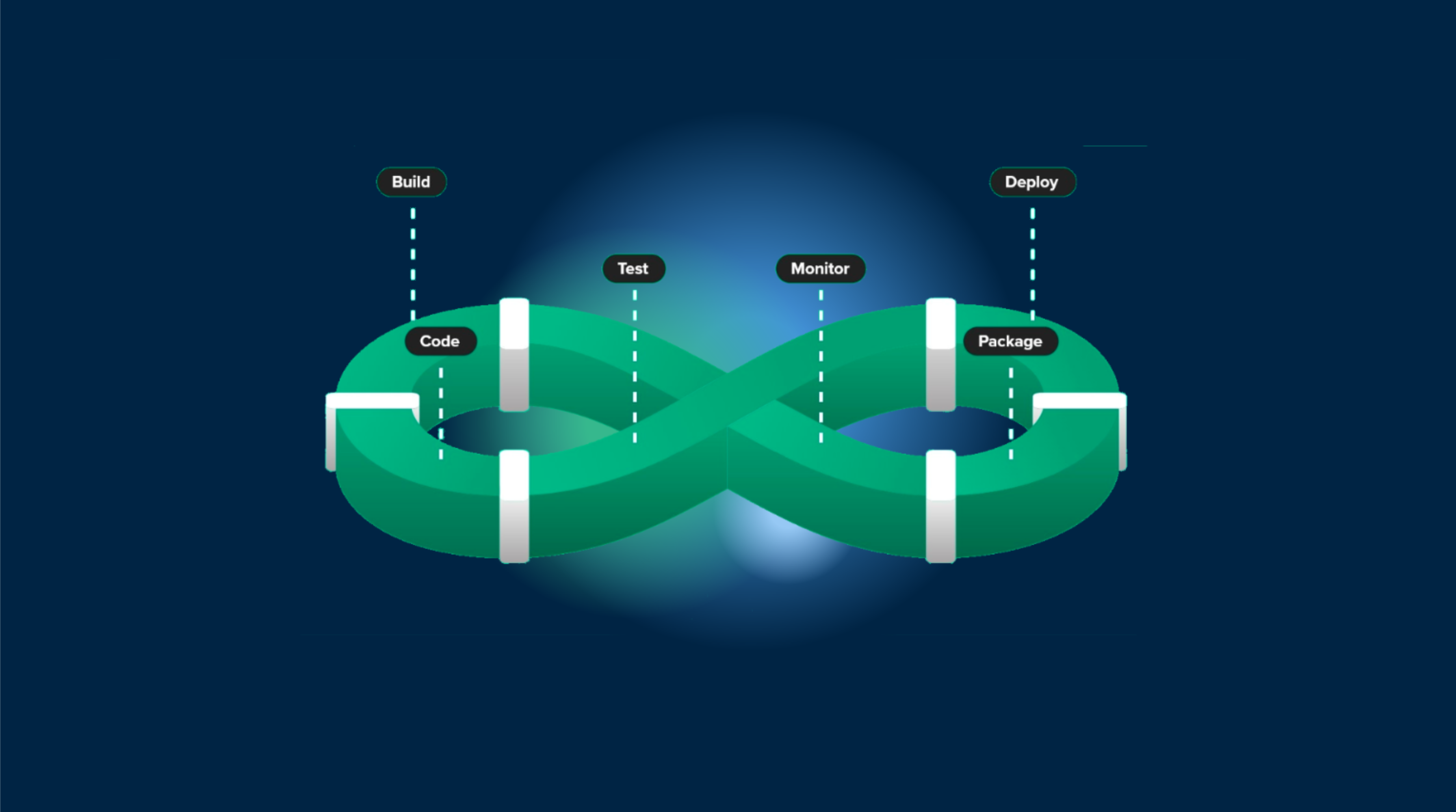
This tutorial focuses on the GitHub hosting, but you can adapt it with a little tweak to any other CI/CD platform.
Preface
Be sure you have added your Capacitor app first to Capgo, this tutorial just focuses on the upload phase
Commit convention
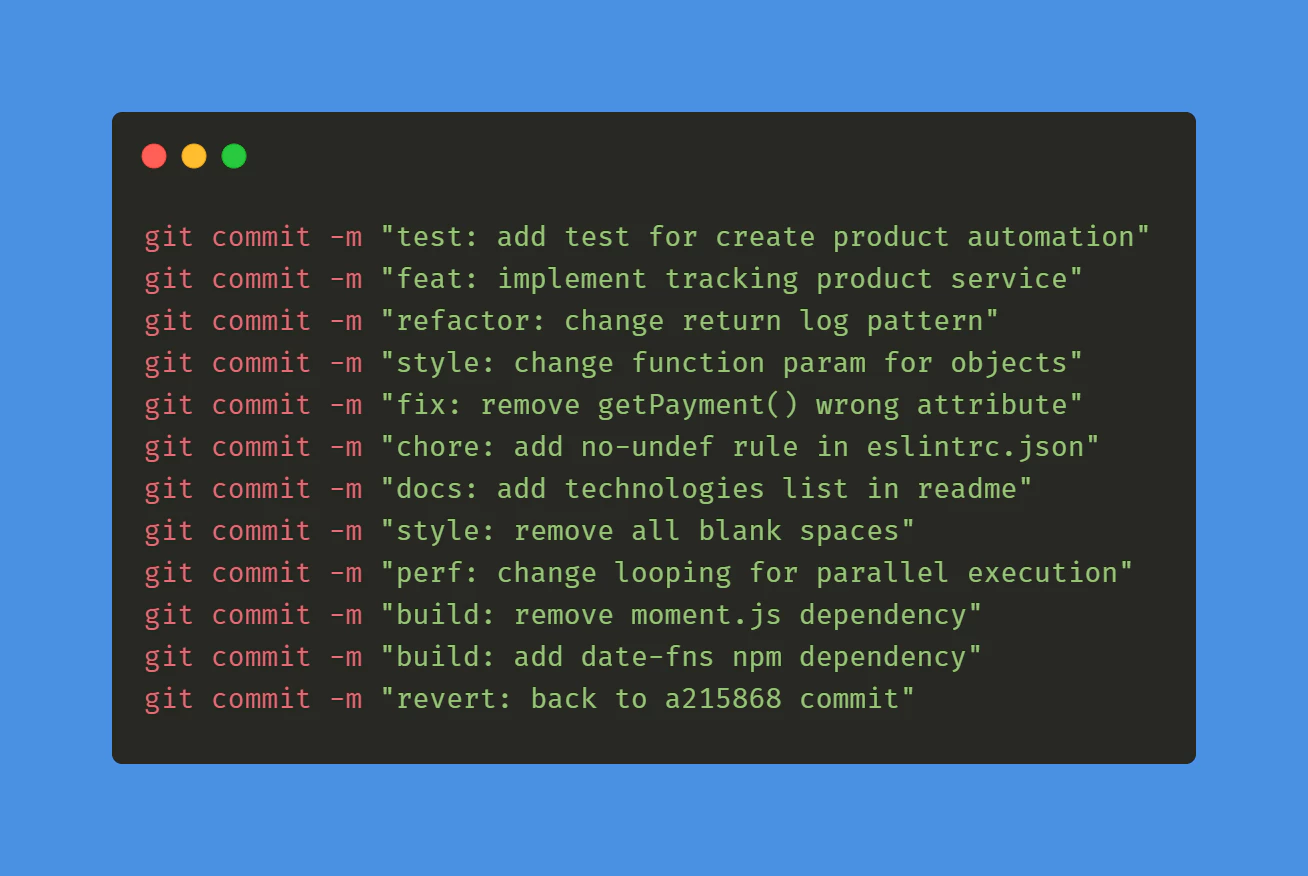
First you need to start following the commit convention conventional commits` this will help the tooling understand how to upgrade the version number, it’s 5 min to learn it.
GitHub actions for tag
Then you need to create your first GitHub action to automatically build and create tags.
Create a file at this path: .github/workflows/bump_version.yml
with this content:
name: Bump version

on:
  push:
    branches:
      - main
      - development

jobs:
  bump-version:
    if: "!startsWith(github.event.head_commit.message, 'chore(release):')"
    runs-on: ubuntu-latest
    name: "Bump version and create changelog with standard version"
    steps:
      - name: Check out
        uses: actions/checkout@v6
        with:
          fetch-depth: 0
          filter: blob:none
          token: '${{ secrets.PERSONAL_ACCESS_TOKEN }}'
      - name: Git config
        run: |
          git config --local user.name "github-actions[bot]"
          git config --local user.email "github-actions[bot]@users.noreply.github.com"
      - name: Create bump and changelog
        if: github.ref == 'refs/heads/main'
        run: npx capacitor-standard-version
      - name: Create bump and changelog
        if: github.ref != 'refs/heads/main'
        run: npx capacitor-standard-version --prerelease alpha
      - name: Push to origin
        run: |
          CURRENT_BRANCH=$(git rev-parse --abbrev-ref HEAD)
          remote_repo="https://${GITHUB_ACTOR}:${{ secrets.PERSONAL_ACCESS_TOKEN }}@github.com/${GITHUB_REPOSITORY}.git"
          git pull $remote_repo $CURRENT_BRANCH
          git push $remote_repo HEAD:$CURRENT_BRANCH --follow-tags --tags
This will release a tag for every commit in your main branch. And a alpha release for development, and lastly a changelog entry for each commit in CHANGELOG.md.
Don’t worry if you don’t have this file, it will be created for you.
To make this work, you need to create a PERSONAL ACCESS TOKEN and add it to your GitHub secrets as PERSONAL_ACCESS_TOKEN.
This is necessary to let the CI commit the changelog and the version bump.
When you create the token, choose expiration as never and the scope as repo.
Set the version key in your package.json file. Use for that the last version released in The store.
This is only necessary the first time, then the tools will keep it up to date.
You can now commit this both files and see your first tag appear in GitHub!
capacitor-standard-version is the package who does the magic, by default, he also updates your version number in Android and IOS
GitHub actions for build
Create a file at this path: .github/workflows/build.yml
with this content:
name: Build source code and send to Capgo

on:
  push:
    tags:
      - '*'

jobs:
  deploy:
    runs-on: ubuntu-latest
    name: "Build code and release"
    steps:
      - name: Check out
        uses: actions/checkout@v6
      - name: Install dependencies
        id: install_code
        run: npm i
      - name: Build
        id: build_code
        run: npm build
        env:
          MY_ENV_VAR: ${{ secrets.MY_ENV_VAR }}
      - name: Create Release Alpha
        if: "contains(github.ref, '-alpha.')"
        id: create_release_prepro
        run: npx @capgo/cli@latest bundle upload -a ${{ secrets.CAPGO_TOKEN }} -c development
      - name: Create Release Production
        if: "!contains(github.ref, '-alpha.')"
        id: create_release_prod
        run: npx @capgo/cli@latest bundle upload -a ${{ secrets.CAPGO_TOKEN }} -c production
This will install and build your dependency before sending it to Capgo.
If your command for build is different, you can change it in the build_code step.
If you need an environment variable, use the MY_ENV_VAR and set the secret in your GitHub project setting, then secret then GitHub Action.
To make Capgo upload work, you need to get your API key for Capgo, add it in the secret of your GitHub repository as CAPGO_TOKEN.
You can now commit this both files and see your first version appear in Capgo!
Add the commit will generate a new Capacitor build for production and development channel.
You should add your test in the Ionic build step to be certain your code is working.
Go To your Capgo dashboard and check your build who just appeared, you now have your CI/CD system.
Keep going from Manage development and production build with GitHub actions
If you are using Manage development and production build with GitHub actions to plan channel routing and staged rollout, connect it with Channels for the implementation detail in Channels, Channels for the implementation detail in Channels, Channels for the implementation detail in Channels, Beta Testing Solution for the product workflow in Beta Testing Solution, and Version Targeting Solution for the product workflow in Version Targeting Solution.